
Boundaries
What's the difference between setting a personal boundary and trying to impose a rule?

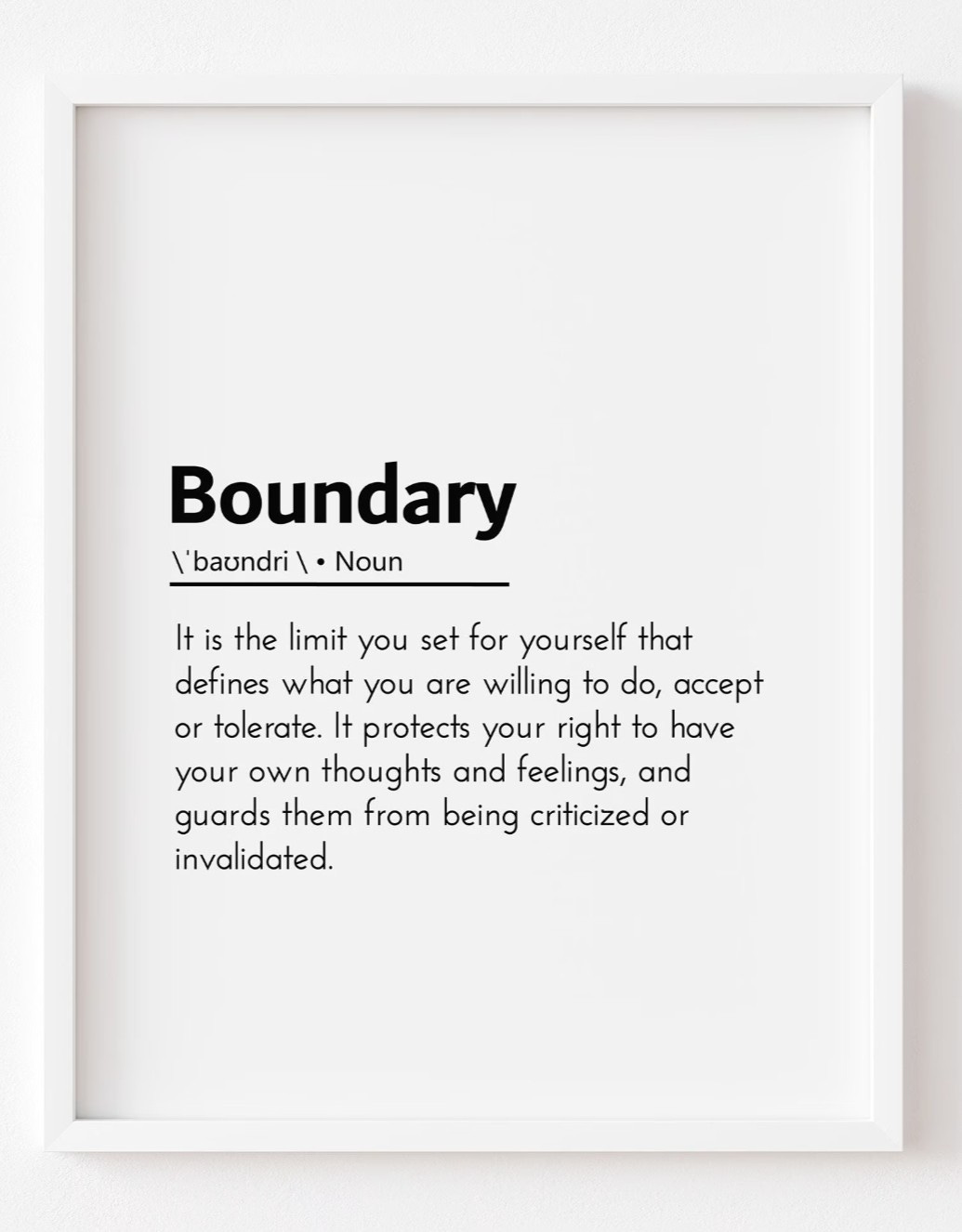
Setting healthy boundaries is always a good thing in any type of relationship. Even in power exchange or authority imbalanced relationship dynamics, boundaries are important. Despite what it may look like to those outside the dynamic, there are all sorts of boundaries in place. There have to be in order for everyone to feel safe and for trust to be established. And trust is the foundation upon which all stable relationships are built, most particularly authority exchange relationships.
It is, unfortunately, all too common in the BDSM Community to hear new submissives claim to have no limits and no boundaries. This is a serious red flag and anyone who isn't an absolute predator would avoid someone who makes this claim, or at the least, educate them. I have written horror stories and even an entire novel illustrating the idiocy of that naive assertion. Everyone has limits and boundaries. When a submissive says something stupid like that to me, this is how I usually reply:
“If you have no boundaries would it be okay if I told you to sell your house and give me all of the profit, give me everything in your savings account, quit your job, and live on the street? No? Then you do have boundaries.”
However, there's a difference between setting a personal boundary and attempting to unilaterally impose a rule upon someone else. You don't get to impose rules upon another person unless that's a relationship dynamic you have already negotiated and mutually agreed upon. Just because you are in a romantuc relationship with someone, or they're your best friend, or business partner, or even your favorite author, or biggest fan, doesn't mean you have the right to set rules upon their behavior, but you absolutely have the right to set boundaries. But what's the difference?
A personal boundary is a limit you set upon your own actions and behavior. It defines how you will behave under a given set of circumstances in order to protect your peace or merely to establish a clear delineation between you and others e.g. your body, your things, your space. You can usually (but certainly not always) spot a boundary because they tend to be “I” statements. “I will …” “I will not …” Rules usually come in the form of “You” statements. “You will …” “You will not …”
If someone asks me for a signature or a photograph and I agree, I may still for instance, refuse to kiss them or hug them while we are taking that photo. I probably would, but you get my point. Me setting a limit upon what I will do with my body in relation to others is a boundary. If I were to tell that person they aren't allowed to make silly faces or hand gestures while taking the photo, that would be me trying to impose a rule upon someone else. It's a subtle, but important distinction. Boundaries are almost always okay, but rules can get tricky. Even in power exchange dynamics, I prefer agreements to rules.
A rule is a limit placed upon the actions and behaviors of others, though it may also include you as well. Rules are externally enforced rather than enforced by the individuals themselves. Boundaries control you. Rules control others. A lot of people get confused between the two and think they are setting a boundary when what they are really doing is imposing a rule upon someone else's behavior.
In a podcast I listen to called “Playing With Fire” the host said “Rules are just bad boundaries,” and I will never forget that. But Rules are not inherently bad. We live in a world of laws and rules because sometimes it is necessary to control other people's behavior. But we should be aware of what we are doing when we try to impose rules upon people when we are attempting to set a boundary. For example:
“If you are talking about this topic I will have to excuse myself from the conversation and walk away.”
Vs.
“You are not allowed to talk about that topic in front of me.”
The first is a boundary, describing what I will do to protect my own mental health. The other is a rule, an attempt to impose restrictions upon someone else. In relationships, it is extremely important to know the difference between the two. Generally speaking, setting boundaries in relationships is healthy, imposing rules is not. Agreements are another healthy alternative to rules that still respects personal autonomy. An agreement could be as simple as setting mutual boundaries.
Look at the difference between these statements.
“You are not allowed to look at other women.”
-or-
“We agree that we will not check out other people when we are together.”
-or-
“If you are going to look at other women when we are walking together I am going to walk away from you.”
-or even-
“When you look at other women when we are walking around together it makes me feel inadequate. I recognize that this is my issue, and not yours, but I cannot stand there beside you when you are checking out other women, so I will just walk away from you and you can catch up to me later.”
That first statement is a rule, a very common and very toxic one, in my opinion. The second is an agreement. As long as it's mutually agreed upon and no one was coerced into it, it's perfectly fine. The last two are boundaries. In my opinion, the very last example is one of healthy boundary setting. It's what we should aspire to in our romantic, friendship, familial, and even our business relationships. Being honest about your feelings, taking ownership of your feelings, while also setting a boundary.
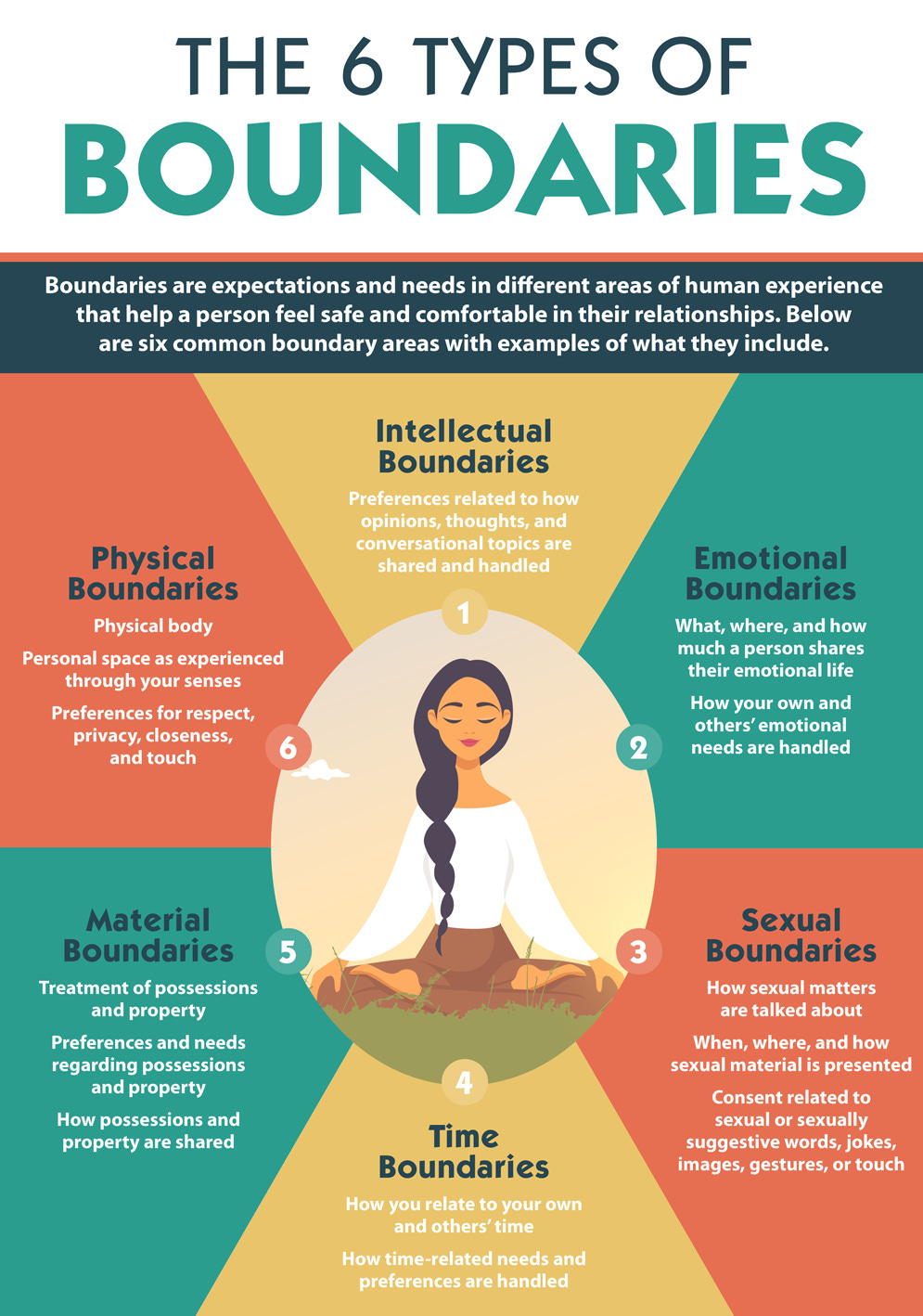
So, why am I sharing all of this with you instead of talking about my nasty new novella, The Bug Collector, or the four or five other projects I'm currently working on? Because I'm just learning this shit. And if I am just learning the difference at 54, I am certain a lot of you didn't know this shit either. But, now you do. You're welcome.